

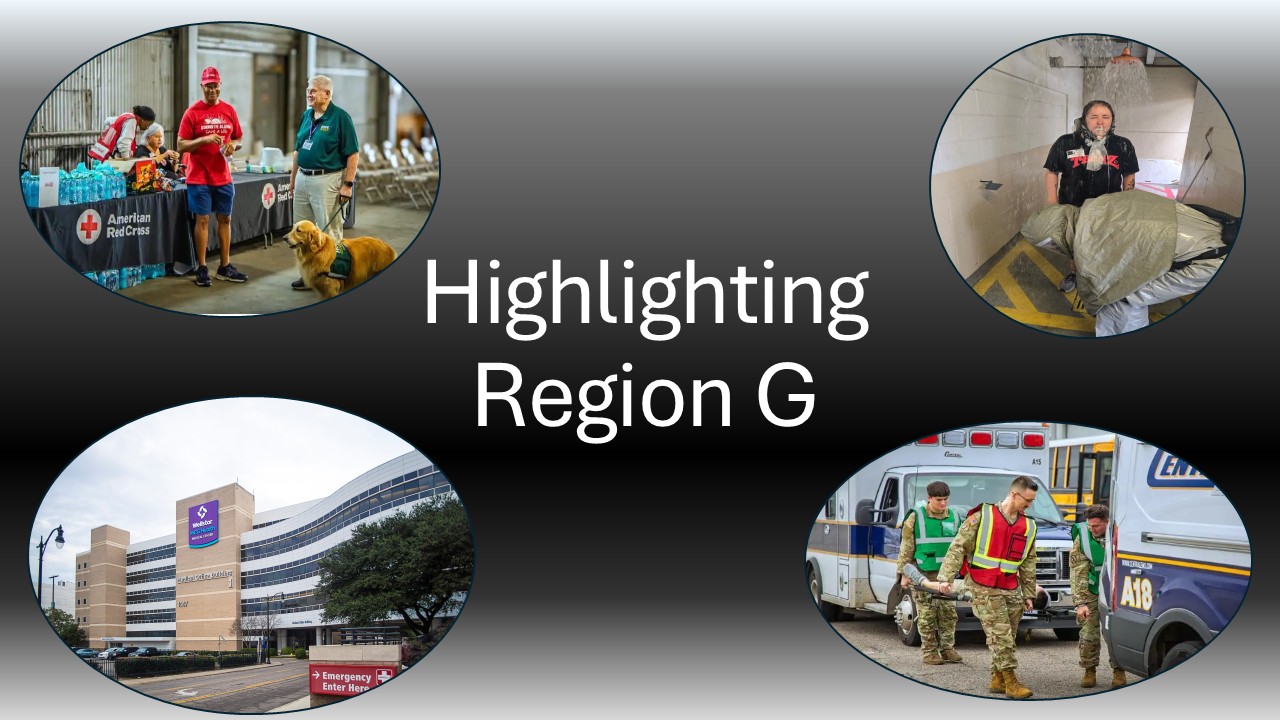
The Strategic Backbone: Region G Healthcare Coalition as a Critical Force Multiplier
In the high-stakes world of regional medical readiness, the Region G Healthcare Coalition (HCC) serves as the vital connective tissue between federal military medical operations and the civilian healthcare system. Spanning 13 counties across East Central Georgia, the coalition ensures that when crisis hits, the response is unified rather than fragmented.
Validating the Integrated Model
While the Eisenhower Army Medical Center (DDEAMC) demonstrated exceptional capability during the recent Exercise Eastern Phoenix, the drill reinforced a decisive truth: no single federal installation can sustain large-scale medical operations in isolation. The exercise validated complex, multi-domain coordination across military, federal, and civilian partners—including Wellstar MCG Health, Doctors Hospital, Piedmont Hospital, and the VA system.
When DDEAMC reached internal capacity during the simulation, the coalition’s strength was put to the test. The successful distribution of 32 patients to local civilian hospitals underscored an indispensable reality: regional endurance depends entirely on integrated hospital capacity and pre-established coordination mechanisms.
Operationalizing Regional Readiness
The Region G HCC ensures this coordination is deliberate and trained rather than ad hoc. By utilizing standardized frameworks like the Hospital Incident Command System (HICS), the coalition operationalizes four key pillars:
- Scalable Surge Capacity: Civilian partners expand the operational footprint beyond Fort Eisenhower, providing the bed availability and specialty care needed during prolonged incidents.
- Interoperable Communications: By identifying gaps and strengths in real-time, the coalition builds the redundancy required for seamless civilian-military data sharing.
- Unified Patient Movement: Partners synchronize distribution to prevent bottlenecks, ensuring patients reach the right level of care without delay.
- Whole-of-Community Response: Integration with EMS, public health, and emergency management creates a layered defense aligned with ASPR’s national preparedness priorities.
A Strategic Enabler of National Security
From the perspective of the Administration for Strategic Preparedness and Response (ASPR), the Region G HCC is a strategic enabler of national health security. In a contested or disaster environment, relying on a single medical center introduces significant risk. A fully integrated coalition, however, transforms 13 counties into a unified medical ecosystem capable of absorbing and managing mass casualty events at scale.
The lessons from Exercise Eastern Phoenix are clear: federal readiness is amplified—not replaced—by coalition strength. Continued investment in Region G HCC ensures that preparedness extends across the entire civilian healthcare landscape, where the majority of patient care resides.
The Bottom Line: If DDEAMC is the tip of the spear, the Region G Healthcare Coalition is the shaft that provides reach, strength, and endurance. Together, they represent the gold standard for an integrated, resilient healthcare system.